How Integrated Logistics Reduces Costs and Improves Delivery Efficiency
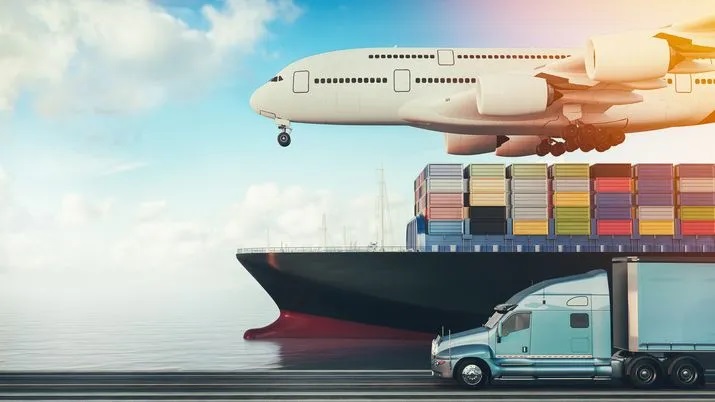
Businesses are always looking for methods to improve customer happiness, cut expenses, and streamline processes in the cutthroat business world of today. By optimizing the whole supply chain, from locating raw materials to shipping completed goods to the final consumer, integrated logistics has become a potent tactic for accomplishing these objectives. Businesses can increase delivery efficiency and realize significant cost savings by merging different logistics activities.
Routes That Are Optimized to Lower Transportation Costs
The cost of transportation frequently accounts for a sizable amount of overall logistics expenditures. Through the optimization of routes and modes of transportation, integrated logistics helps reduce these expenses. Businesses may determine the most effective routes, combine shipments, and make use of the most economical forms of transportation such as trucks, trains, or ships by using sophisticated planning and real-time tracking. In addition to cutting down on fuel and travel time, route optimization also lessens vehicle wear and tear, which lowers maintenance expenses.
Improved Inventory Control to Lower Holding Costs
Another area where integrated logistics can result in significant cost reductions is inventory management. Businesses may improve inventory levels and lower the risk of stockouts and overstocking by combining inventory data with supply chain insight and demand predictions. By ensuring that the proper quantity of inventory is available when needed, accurate demand forecasting reduces holding costs related to obsolescence, insurance, and storage.
Better Warehouse Operations to Save Labor Expenses
Integrated logistics can greatly increase the efficiency of warehouse operations, which are an essential part of the logistics process. Businesses can automate warehouse operations like receiving, put-away, picking, and packing by putting warehouse management systems (WMS) into place and linking them with other logistical services. Automation speeds up order fulfilment, avoids errors, and decreases manual work. By guaranteeing accurate and timely order fulfilment, efficient warehouse operations not only lower labor costs but also raise customer satisfaction. An environment that is speedier and more optimized is the end result.
Improved Interaction and Cooperation to Cut Down on Delays
Supply chain participants must work together and communicate for logistical success. Integrated logistics provides a central hub for information sharing and activity coordination. When they can see inventory levels, order status, and delivery times in real time, everyone can make informed decisions and respond quickly to interruptions. Better communication and teamwork reduce delays, errors, and supply chain inefficiency.
Conclusion
Integrated logistics generates a lot of data that can be used to identify issues and drive optimization. Delivery performance, warehouse operations, inventory levels, and transportation costs can reveal a lot about a company’s logistics. These insights can cut costs and improve delivery by identifying bottlenecks, allocating resources appropriately, and improving processes. Ultimately, integrated logistics gives organizations the knowledge and resources they need to stay ahead of the competition and meet evolving customer demands.