How to Inspect Used Diesel Generators for Sale Before You Buy
Buying a pre-owned power unit can save a business thousands of dollars, but only if you know what to look for. Whether you need backup power for a warehouse, a construction site, or a farm, a careful inspection separates a smart investment from an expensive headache. Here is a practical checklist for evaluating used diesel generators for sale with confidence.
Start With the Hour Meter, Not the Age
Many buyers focus on the model year, but running hours tell a more accurate story. A ten-year-old standby generator with 500 hours may be in far better shape than a five-year-old prime-power unit with 15,000 hours. Ask for the hour meter reading and compare it with maintenance records. Diesel engines are built to last, but consistent servicing matters more than the calendar.
Request Complete Service Records
Reliable sellers keep documentation. Look for records of oil and filter changes, coolant flushes, fuel system service, and load bank testing. Gaps in the paperwork are a warning sign. A unit that was serviced on schedule is far less likely to surprise you with major repairs after purchase.
Inspect the Engine and Alternator
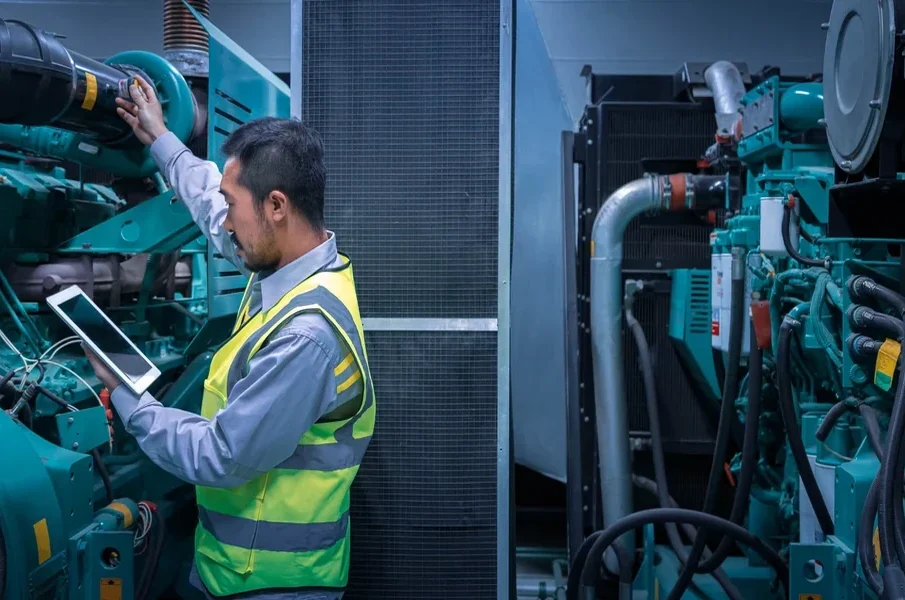
Before you commit, check these components in person or through a trusted technician:
- Engine condition: Look for oil leaks, cracked hoses, corrosion, and worn belts.
- Exhaust smoke: Heavy white, blue, or black smoke during startup can signal fuel, oil, or combustion issues.
- Alternator health: Check for stable voltage and frequency output, and listen for unusual bearing noise.
- Cooling system: Inspect the radiator, coolant level, and hoses for leaks or buildup.
Insist on a Load Test
A generator that starts easily may still fail under pressure. A load bank test runs the unit at 50 to 100 percent capacity and reveals problems that idling will not. Watch for voltage drops, overheating, or unstable frequency. This single test is one of the most valuable steps in the buying process.
Check the Control Panel and Transfer Switch
Modern generators rely on electronic controls. Make sure the panel displays accurate readings and that alarms, auto-start functions, and safety shutdowns work properly. If you plan to pair the generator with an automatic transfer switch, confirm compatibility with your electrical system.
Match the Generator to Your Real Power Needs
An oversized unit wastes fuel and can suffer from wet stacking, while an undersized one will strain under load. Calculate your total running and starting wattage, then add a safety margin of about 20 percent. A reputable dealer can help you size the unit correctly for your application.
Consider the Fuel Tank and Enclosure
Rust inside a fuel tank can contaminate the system and clog filters. Inspect the tank, base frame, and weatherproof enclosure for corrosion or damage. If the generator will sit outdoors, a sound enclosure protects the investment and reduces noise.
Ask About Warranty and Support
Even used equipment can come with limited coverage. Ask whether the seller offers a warranty, testing certification, delivery, and access to replacement parts. Strong after-sale support is often a sign of a trustworthy supplier.
Compare Total Cost, Not Just Price
The lowest price is not always the best deal. Factor in shipping, installation, fuel consumption, and expected maintenance. A slightly higher upfront cost for a thoroughly tested unit often pays off through lower repair bills and better uptime.
Final Thoughts
Buying pre-owned power equipment is a smart way to stretch your budget, provided you do your homework. Focus on running hours, service history, load testing, and seller reputation, and you will dramatically reduce your risk. With the right checks in place, used diesel generators offer dependable, long-term power at a fraction of the cost of new equipment.