The Future of Freight Cubing: How 3D Imaging and IoT Are Changing Logistics
Determining the exact dimensions of shipments, or freight cubing, has historically been a labor-intensive and frequently imprecise process. But this crucial area of logistics is being revolutionized by the emergence of cutting-edge technology like 3D imaging and the Internet of Things (IoT). In addition to increasing accuracy, these developments are simplifying processes, cutting expenses, and raising supply chain efficiency all around.
3D Scanning: Accurately Recording Dimensional Information
The application of 3D scanning technology is beginning to bring about a revolution in the field of freight cubing. Through the utilization of laser scanners or structured light, these technologies are able to record the dimensions of pallets and packages in a quick and accurate manner. As a result of this, manual measurements, which are susceptible to errors caused by human intervention, are no longer required. By utilizing the extremely thorough and accurate dimensional data that is provided by 3D scanning, businesses have the ability to enhance space utilization in warehouses and transportation vehicles, limit the chance of damage, and guarantee that they will invoice the appropriate amount.
IoT Sensors: Data Integration and Real-Time Monitoring
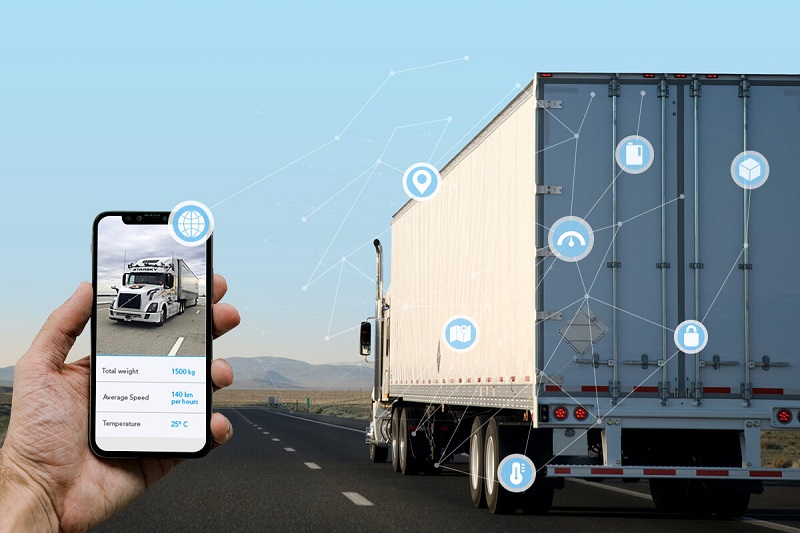
Another essential element for freight cubing’s future is IoT sensors. To continuously monitor dimensions, weight, and other pertinent characteristics throughout transportation and storage, these sensors can be integrated into warehouse infrastructure or affixed to packages. Logistics managers are given a thorough picture of their inventory thanks to the transmission of this real-time data to a central system. Using freight cubing software in conjunction with IoT sensors further enhances this process by analysing the data to optimize space utilization and improve operational efficiency.
Integration of Real-Time Data: Facilitating Intelligent Logistics Planning
Intelligent logistics planning is made possible in large part by the integration of IoT sensor data and 3D scanning with logistics management systems (LMS). Businesses may optimize loading plans, route planning, and delivery timetables by entering precise dimensional data into LMS platforms. Fuel consumption is decreased, wasted space is minimized, and overall operating efficiency is increased thanks to this real-time data integration.
Advanced Freight Cubing Technologies’ Advantages
Businesses can gain greatly from the use of IoT and 3D imagery in freight cubing. These include increased dimensioning accuracy, less manual labor, better space use, better load planning, and more accurate billing. Businesses can drastically reduce operating expenses, reduce errors, and eventually raise customer satisfaction by utilizing these technologies.
Conclusion
There is little doubt that 3D imaging and Internet of Things technology will play a significant role in freight cubing in the future. These developments will become more and more important in changing the logistics environment as they progress. Businesses can achieve new levels of efficacy, precision, and cost-effectiveness by adopting these technologies, setting themselves up for success in the dynamic field of supply chain management.