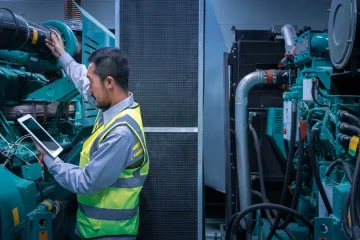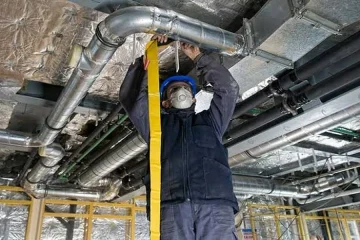
Industrial temperature control systems improving efficiency across complex energy operations
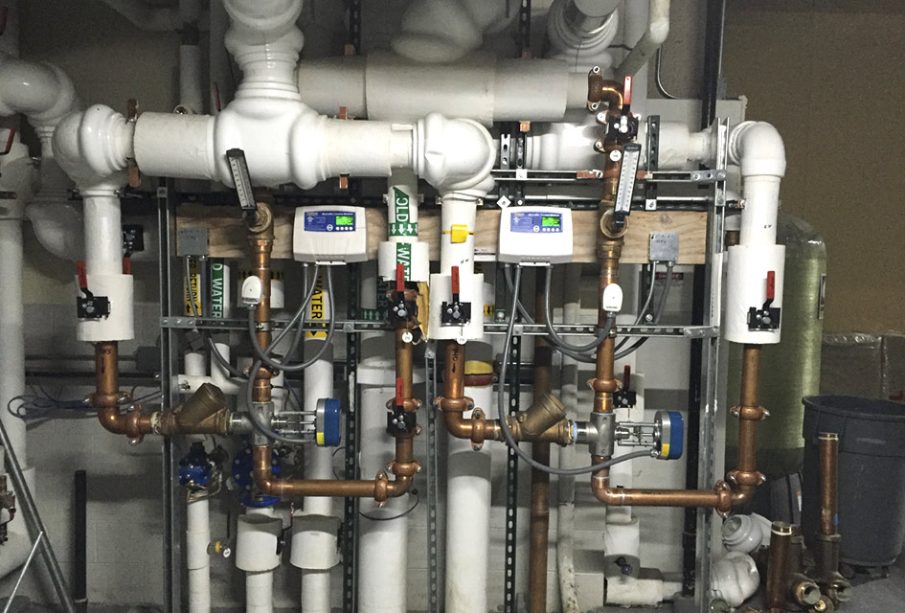
In big industrial facilities, heat is almost unavoidable. Many machines operate for long periods, sometimes all day. Engines keep running and production equipment can reach high temperatures while work is happening.
Managing that heat becomes an important part of keeping operations stable. If excess heat remains inside the system, equipment may lose efficiency or experience wear faster than expected.
This is where heat exchangers become useful. They help transfer heat from one medium to another so temperature levels remain controlled. In simple terms, they move unwanted heat away from critical equipment.
Cooling and heating balance in energy intensive facilities
Industrial environments rarely deal with only cooling or only heating. Most systems require both.
Some processes generate heat that must be removed. Others require controlled temperature levels for production quality. Balancing these conditions becomes part of facility design.
A temperature management system may guide heat from one area of a process into another area where that heat can be reused or safely released.
Sometimes this process feels almost invisible during daily operations. Machines keep running and temperatures stay stable. But behind that stability, thermal management equipment is constantly doing quiet work.
Equipment used to manage industrial temperature exchange
Different industries use different thermal management equipment depending on their needs. The basic purpose remains similar though. In many systems, heat is transferred between two areas. The fluids carry the heat, though they remain separate.
A few common types used across industries include:
- Shell and tube systems used in large processing plants
- Plate based designs used in compact installations
- Air cooled systems for facilities with limited water access
- Fluid based systems supporting heavy machinery cooling
The choice depends on factors such as space, operating temperature, and maintenance requirements.
Some systems operate under extreme conditions while others manage moderate temperature differences.
Where temperature control systems are commonly applied
Thermal management appears in many sectors where equipment generates or uses heat.
Facilities that often rely on controlled heat transfer include:
- Manufacturing plants with heavy equipment
- Chemical and processing facilities
- Energy production plants
- Large HVAC installations in commercial buildings
- Industrial cooling systems supporting machinery
In these environments temperature control helps equipment run within safe limits. Without proper thermal management, systems may experience overheating or unstable operation.
And sometimes temperature changes happen slowly. Which makes them harder to notice until efficiency drops.
Efficiency improvements through controlled heat transfer
Temperature management can influence overall energy performance in industrial operations. When heat is transferred effectively, systems often require less energy to maintain proper operating conditions.
Some facilities even reuse heat that would otherwise be wasted. For example, heat generated in one process might help warm another stage of production.
This approach can reduce energy consumption while improving operational stability.
Still, the exact benefits often depend on how the facility is designed. Different industries apply temperature control in slightly different ways.
Maintenance considerations for thermal management equipment
Thermal equipment usually operates for long periods with minimal interruption. Because of that, regular inspection becomes important.
Maintenance teams typically monitor conditions such as:
- Fluid flow rates inside the system
- Surface cleanliness of heat transfer plates or tubes
- Pressure levels across the equipment
- Signs of corrosion or blockage
Sometimes even small changes in performance can mean something is happening inside the system. A bit of buildup. Maybe some wear starting to appear.
In many industrial setups, heat exchangers are working in the background. They help keep temperatures stable by moving heat from one fluid to another while the fluids themselves stay separate.
Another interesting aspect is how widely these systems appear across industries. Many people associate thermal equipment only with power plants or chemical facilities.