What to Include in a Small Booth Design to Maximize Impact
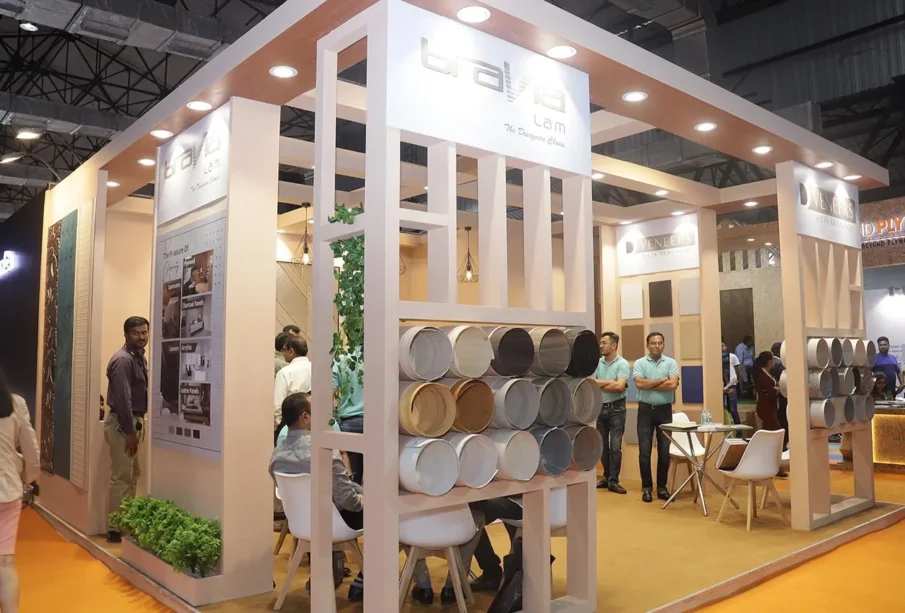
Trade shows can be overwhelming—hundreds of exhibitors, fast-moving crowds, and just seconds to grab someone’s attention. For companies working with a small booth space (think 10×10 or even smaller), standing out might feel like an uphill battle. But the good news is: size isn’t everything. With smart design, clear messaging, and intentional choices, even the smallest booth can make a huge impact.
Here’s what to include in a small booth to get the most out of every square foot—and make sure your brand punches above its weight.
1. A Strong, Clear Visual Message
In a small booth, you don’t have the luxury of walls full of copy or sprawling visuals. You have seconds to tell people who you are, what you do, and why they should stop.
What to include:
- A large, bold headline that communicates your core offer or benefit
- A subheadline or tagline for clarity
- A large logo placed at eye-level
- Clean, brand-aligned colors and fonts
Tip: Focus on one key message. Keep text large and easy to read from a distance. Don’t make people work to figure out what you do.
2. Vertical Signage and Backdrops
Don’t waste vertical space—it’s one of your best tools in a small booth. Portable backdrops or tension fabric displays can create a branded wall that adds visual presence and helps you stand out in a crowded aisle.
Smart additions:
- Branded pop-up displays
- Telescoping banners
- Hanging signs (if allowed by the event organizer)
These create visual boundaries for your booth and help people spot you from across the room.
3. Multi-Functional Furniture
When space is tight, everything in your booth needs to work double duty. Choose furniture that serves more than one purpose—think counters with built-in storage or podiums that can hold both marketing materials and devices for demos.
Consider including:
- A small reception counter for greeting and collecting leads
- Tall stools or high-top tables for brief, stand-up conversations
- A storage ottoman for stashing extra supplies
Pro tip: Avoid bulky tables and chairs that eat up floor space and block the flow of traffic.
4. Interactive Element or Demo Station
People engage more when they can interact with something—not just look at it. Even in a compact booth, a small interactive display or demo area can draw visitors and spark conversations.
Ideas:
- A tablet loaded with a short product walkthrough or explainer video
- Hands-on product samples
- A live mini-demo led by your team
The key is to keep it simple, quick, and engaging. You want to invite curiosity without creating a bottleneck.
5. Lead Capture System
It doesn’t matter how small your booth is—if you’re not capturing leads, you’re leaving value on the table. Plan ahead for how you’ll collect visitor info quickly and efficiently.
Options include:
- Badge scanners (offered at many trade shows)
- A branded tablet or phone with a digital lead form
- A simple paper form on a clipboard (if tech isn’t an option)
Bonus tip: Keep your form short. Name, company, email, and one qualifying question is often enough.
6. Lighting That Draws People In
Good lighting can elevate your booth instantly. Many exhibitors rely on overhead venue lighting, which often makes small booths look flat and dull. A few well-placed lights can change everything.
Include:
- LED lights on your backdrop to highlight branding
- Spotlights on your products or signage
- Accent lighting around your counter or floor
Lighting creates visual depth, increases contrast, and makes your booth feel more polished—without needing extra square footage.
7. Branded Giveaways (That Make Sense)
In a small booth, you don’t want clutter. But a smart giveaway can help draw people in and leave a lasting impression. The trick is to keep it relevant to your brand—and useful to your audience.
Popular options:
- Branded phone accessories or chargers
- Reusable tote bags (visible = free advertising on the show floor)
- Useful tools or gadgets tied to your product or industry
Make sure your giveaways are easily accessible, but don’t turn your table into a free-for-all. Use them as conversation starters, not distractions.
8. A Friendly, Confident Team
Your booth staff are part of the design. In a small space, there’s no room for team members to hang back or hide behind a table. Everyone needs to be engaged, approachable, and ready to talk.
Tips:
- Dress in branded attire or coordinated colors
- Greet people with a smile and simple opener (“What brings you to the show today?”)
- Don’t overcrowd the booth—2 team members is usually ideal for a 10×10
Attendees are more likely to stop when someone looks genuinely interested in talking to them—not just pitching.
Final Thoughts
A small booth doesn’t have to mean a small presence. In fact, when designed thoughtfully, compact booths can stand out even more—because they force you to focus on what really matters: clarity, connection, and engagement.
By including the right elements—from strong visuals and interactive displays to purposeful furniture and well-trained staff—you can turn even a 10×10 space into a powerful lead-generating machine.
Remember, it’s not about square footage—it’s about strategy. Focus on what draws people in and makes them want to stay. That’s where the real impact happens. We recommend Trade Show Booth Design.