
Driving Success by Clearing Misunderstandings About OKR
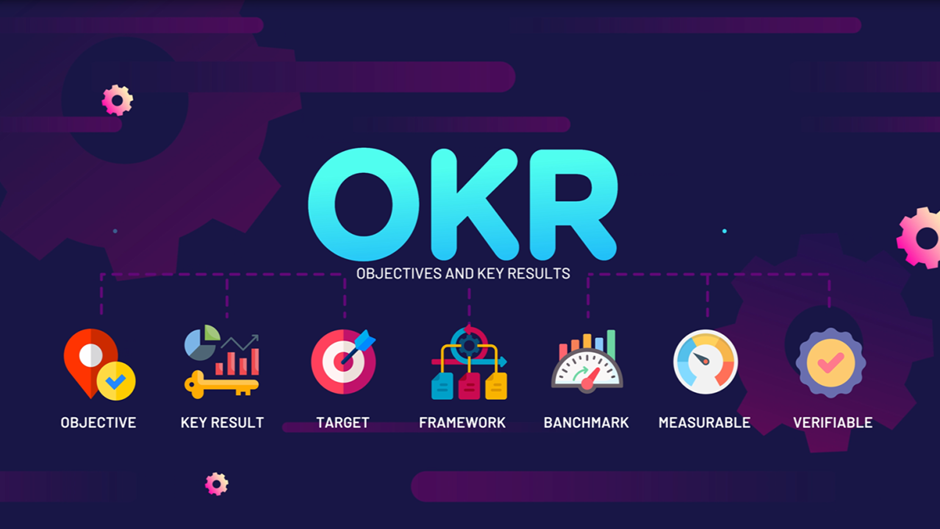
The use of OKRs in strategy execution and team alignment is widespread but has continued to be misunderstood. The key to making the best use of OKRs by an organization is to know what they misunderstand and utilize them accordingly.
Wave Nine has been supporting organizations in bridging the gap between strategy and execution with practical guidance and expert-led workshop OKR programs. They take a practical approach in guiding firms to get out of erroneous beliefs and create a culture of alignment and learning.
By customizing each session to the maturity of the given organization, Wave Nine does not leave the OKRs as a theory but turns them into an actual driver of change.
Myth 1: OKRs are just for managing daily work
People assume that OKRs substitute the daily work, which is wrong. OKRs are not designed to be used every day. While daily operations keep the business running, OKRs create the space to transform it.
Mixing tactical tasks into OKRs dilutes focus and reduces effectiveness. Successful organizations learn to distinguish between “running the business” and “changing the business.”
Myth 2: Success should mean 60 to 70 percent achievement
The concept behind OKRs having to be just beyond our reach comes from stretch goals. As an aspiration, one needs to strive high, but it needs proper culture, innovation, and resources.
For teams in earlier stages, fully achievable goals may be more effective. Crucially, achieving less than 100 percent does not always signal failure—learnings and insights carry equal weight for long-term value.
Myth 3: OKRs must begin at the individual level
It is often assumed that OKRs should cascade down to each person. In practice, OKRs are most effective at the team level where there is group aspirations and innovations. Though individuals can apply OKRs to personal organization, comprehensive business utility is achieved through shared ownership and group commitment.
OKRs are all about collaboration and utilizing group power.

Myth 4: Leadership sets objectives while teams fill in results
A common misunderstanding is that executives should set the objectives while teams define the key results. In practice, OKRs are strongest when created as complete sets by the teams who will deliver them.
Clear alignment between levels matters, but strict cascading undermines ownership. Teams that co-create objectives and results foster more motivation and accountability.
Myth 5: OKRs deliver quick wins after one cycle
Another trap is expecting instant transformation with just one OKR cycle. True benefits emerge only after consistent application. It takes most organizations 3 to 4 cycles before they can experience a sustainable change, as this capability is a skill that is achieved through repetition, rectification, and learning.
With patience, perseverance, and sound advice, OKRs can become a part of the culture rather than a temporary experiment.
Bringing it all together
OKRs are effective, yet highly misunderstood. They are not designed to track every activity or function as performance reviews, nor are they a shortcut to success. If used well, they become a platform of alignment and focus, and continuous learning.
By hiring professional partners such as Wave Nine, companies can dispel the myths and start to utilize OKRs with confidence and gradually realize their full potential.