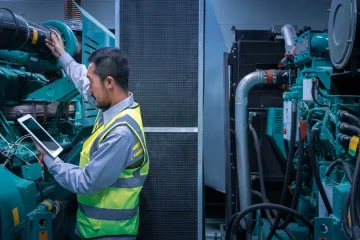
Supply Chain Solutions for the Automotive Industry in Mexico

The global automotive industry is experiencing a significant transformation driven by shifting consumer demand, regulatory changes, and the urgent need for resilient supply chains. One of the most effective strategies manufacturers are adopting to stay competitive is nearshore manufacturing—particularly in Mexico.
Mexico’s proximity to the United States, skilled workforce, and growing industrial infrastructure have made it a powerhouse for automotive production. With the increasing complexity of global logistics and rising costs associated with offshore production, especially in Asia, companies are evaluating Mexico vs China for automotive supply chain solutions. In this context, process improvement consulting, site process improvement consulting, and partnerships with a Mexico sourcing agent are playing crucial roles in building efficient, resilient, and cost-effective automotive supply chains.
Why the Automotive Industry Is Turning to Mexico
Mexico has long been a strategic manufacturing hub for the automotive sector. It is home to many of the world’s top automakers and parts suppliers, including General Motors, Ford, Toyota, Volkswagen, and BMW. The country’s favorable trade agreements, such as the United States-Mexico-Canada Agreement (USMCA), provide tariff advantages and seamless cross-border logistics.
Here are the key reasons why the automotive industry is investing in sourcing in Mexico:
1. Strategic Proximity
Proximity to the U.S. and Canadian markets drastically reduces shipping times compared to Asia. Automotive manufacturers can move products across the U.S.-Mexico border within days, compared to weeks from China. This not only shortens lead times but also increases the flexibility to respond to demand fluctuations.
2. Cost-Effective Labor and Operations
While China was once the go-to location for low-cost manufacturing, labor rates in China have risen significantly over the past decade. Manufacturing in Mexico vs China now offers a more favorable cost structure without sacrificing quality or efficiency. Mexico also benefits from lower energy costs and real estate expenses, further boosting its appeal.
3. Robust Industrial Ecosystem
Mexico has developed an extensive ecosystem of automotive suppliers, logistics providers, and industrial parks. From precision machining and plastics to electronics and assembly services, businesses can find specialized partners with the capabilities needed to meet strict automotive standards.
Nearshoring for Automotive: A Resilience Strategy
The automotive industry has faced significant disruptions in recent years—from semiconductor shortages to port congestion. Nearshore manufacturing in Mexico provides a strategic hedge against such risks, enabling companies to diversify their supply base and reduce overreliance on distant suppliers.
Benefits of Nearshoring Automotive Operations:
- Faster time-to-market for vehicle components
- Reduced exposure to geopolitical risk (compared to China)
- Improved supply chain visibility
- Increased responsiveness to quality or production issues
- Enhanced customer satisfaction with quicker deliveries
The Role of Process Improvement Consulting
While relocating operations is a good start, the real value comes from optimizing those operations. Process improvement consulting ensures that automotive companies not only move their supply chains closer to home but also run them more efficiently.
A qualified consultant can help:
- Identify inefficiencies in production and logistics
- Optimize supplier onboarding and inventory management
- Implement lean manufacturing and Six Sigma methodologies
- Enhance quality control measures
- Digitize performance tracking for better decision-making
Combining nearshoring with site process improvement consulting allows automotive companies to fine-tune their operations and gain a competitive edge.
Mexico Sourcing Agents: Your Key to Successful Nearshoring
Establishing operations in a new country comes with its challenges—language barriers, unfamiliar regulations, and varying quality standards. This is where a Mexico sourcing agent becomes invaluable.
A sourcing agent with local expertise can:
- Identify and vet qualified automotive suppliers
- Navigate labor laws and environmental regulations
- Negotiate favorable terms and pricing
- Coordinate logistics and customs compliance
- Oversee quality assurance and timely delivery
With the right partner, automotive businesses can reduce risk and speed up the transition to sourcing in Mexico.
Case Study: Automotive Tier 1 Supplier Nearshores to Mexico
A U.S.-based Tier 1 automotive supplier that had relied on Chinese manufacturing for metal parts began facing delays and increasing shipping costs. Seeking a solution, the company explored manufacturing in Mexico vs China and decided to nearshore its operations.
With the help of a Mexico sourcing agent and process improvement consulting, they successfully identified local suppliers, implemented lean manufacturing processes, and relocated their supply chain operations within six months.
Key results:
- Lead times reduced by 60%
- Transportation costs decreased by 35%
- On-time delivery rate improved to 98%
- Improved agility to meet OEM production schedules
This move positioned the supplier as a more reliable and responsive partner to major automakers in North America.
Key Locations for Automotive Manufacturing in Mexico
Mexico’s top automotive hubs include:
- Monterrey – Known for advanced manufacturing and strong infrastructure
- Silao (Guanajuato) – Home to many OEMs and suppliers
- Puebla – Volkswagen and other major brands operate here
- San Luis Potosí – A growing automotive corridor
- Querétaro – Strong in aerospace and automotive component manufacturing
These regions offer skilled labor, industrial parks, logistics infrastructure, and government incentives for foreign direct investment.
Future Outlook: The Road Ahead for Automotive Nearshoring
With electric vehicles (EVs), autonomous driving, and digital supply chains reshaping the industry, automotive companies must rethink how they design and manage their supply chains. Nearshoring to Mexico, combined with site process improvement consulting and digital transformation, offers a scalable and resilient path forward.
Governments are also investing in upgrading logistics corridors, improving customs processes, and expanding clean energy access—further solidifying Mexico’s role as a manufacturing and supply chain leader for the automotive industry.
Nearshoring to Mexico isn’t just a cost-cutting measure—it’s a strategic move toward building more responsive, resilient, and sustainable automotive supply chains. From faster deliveries to lower risks and better operational control, the benefits are compelling.
For businesses looking to gain a competitive edge, now is the time to explore sourcing in Mexico, leverage Mexico sourcing agents, and optimize operations through process improvement consulting. As the landscape continues to evolve, those who adapt early will be best positioned to lead the next generation of automotive innovation.