
Sprayers and Pumps: Practical Dispensing Solutions for Packaging Systems
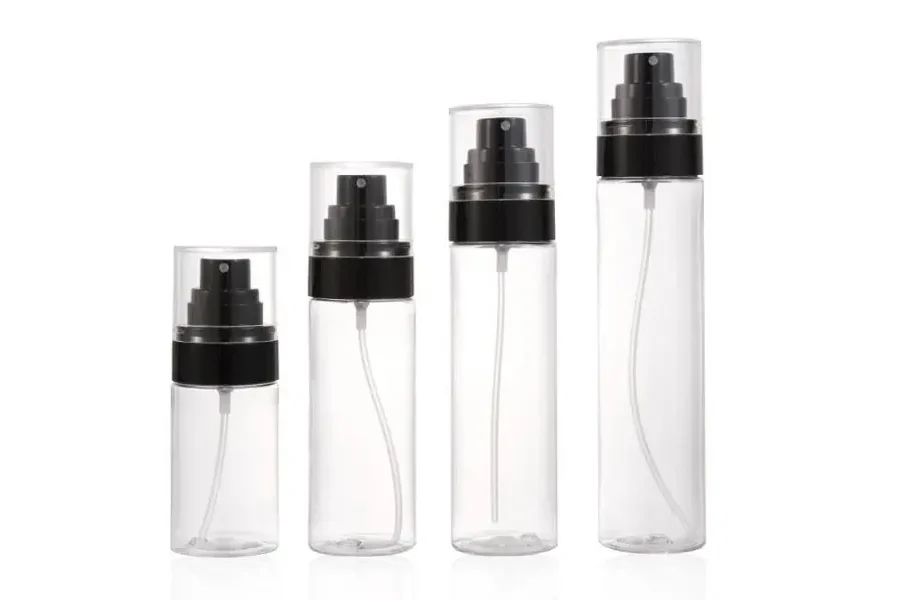
Packaging that dispenses with precision is more than a convenience—it protects formulas, controls cost of use, and shapes how customers perceive a brand. From fine mists to metered lotions, the right hardware determines whether every press feels smooth, measured, and reliable. This guide unpacks the mechanics that make modern dispensing work, including the nuances of pump architectures, spray formation, and the materials that resist wear and chemicals. Along the way, you’ll see how ergonomic details and dosing accuracy influence loyalty, returns, and repeat purchase. For readers who want deeper specifications or testing guidance, look for cues pointing to More Info sources your engineering or procurement team can consult during selection. Whether you manage a startup’s first launch or a global line update, understanding Sprayers Pumps fundamentals helps you choose components that deliver the intended experience every time.
Differences between pump types and spray delivery mechanisms
Choosing a dispensing format starts with understanding how pumps move liquid and how nozzles shape the outgoing plume. Traditional finger actuators rely on a small piston and spring to pull product up the dip tube and out through a swirl chamber, while trigger sprayers use a lever to amplify force for higher output. Lotion pumps emphasize volume per stroke and one-way valves that handle thicker viscosities without allowing backflow. Airless systems remove the dip tube altogether, using a collapsing container or piston to maintain consistent output and reduce oxidation. Foaming pumps mix liquid with air through a mesh to deliver a stable foam, optimizing perceived coverage and rinse-off.
Comparing internal architectures
The internal geometry of a dispensing system determines priming speed, droplet size, and dose consistency. Pre-compression designs hold pressure until a threshold is reached, creating more uniform atomization and reducing dribble—ideal for watery or alcohol-based formulations. In contrast, non-pre-compression units may feel softer but can vary in first-spray performance if left idle. Nozzle orifice diameter, swirl-chamber angles, and anti-leak valves all contribute to plume shape, from tight streams for spot cleaning to fine, cone-shaped mists for perfumes. For brands planning a family of products under one silhouette, modular platforms allow swapping actuators, closures, and inserts to tailor output while maintaining visual cohesion across Sprayers Pumps.
Differences also show up in maintenance and clog resistance. Debris screens at the base of the dip tube prevent particulates from blocking swirl chambers, while specialized nozzles reduce build-up from salts or polymeric thickeners. Some systems incorporate venting to equalize bottle pressure and prevent paneling; others are designed as non-vented to protect sensitive formulas. Pay attention to output per stroke (mL), actuation force (N), and droplet size (microns) to match claims such as “fine mist,” “continuous spray,” or “targeted stream.” If your team needs test protocols or tuning ranges for these variables, consult technical sheets flagged for More Info during vendor qualification.
How material durability improves long-term product reliability
Material selection is the quiet variable that determines whether a dispenser performs flawlessly months after purchase. Common housings use PP or PE for chemical resistance and cost-efficiency, paired with POM for smooth-moving pistons and valves. Springs are often stainless steel, but high-acid or chloride-heavy formulas may require alternative alloys or springless architectures to avoid corrosion. Elastomers—NBR, EPDM, silicone, or FKM—seal critical interfaces; mismatches can swell, harden, or crack, leading to leaks or inconsistent dosing. Specifying the right elastomer blend, combined with UV stabilizers and anti-oxidants where needed, ensures stable actuation and seal integrity across temperature swings.
Chemical compatibility and wear factors
Reliability also hinges on fatigue resistance and the cumulative cycles a pump must withstand without losing torque or output. Environmental stress cracking can occur when oils or solvents penetrate polymer matrices, making PET or PP brittle; additives and barrier layers mitigate this risk for aggressive formulas. High-viscosity use cases demand springs with tuned rates and pistons that resist creep, so the dispenser maintains its “new” feel even after thousands of actuations. Harder-to-see issues—like micro-wear at valve seats—can create subtle leaks that only manifest during e-commerce drop tests or hot-cold conditioning. Vendors that share lifecycle test data and clear compatibility charts grant teams More Info to predict performance beyond shelf appearance.
Durability has sustainability implications, too. Failures lead to product waste and returns, compounding environmental impact even if the packaging itself is recyclable. Newer designs emphasize mono-material builds (e.g., all-PP) to simplify end-of-life processing and reduce metal content. For categories seeking premium aesthetics, glass balls and ceramic components enhance chemical resistance without compromising flow precision. Wherever possible, specify materials by recognized standards, test with worst-case concentration of actives, and validate against ISTA transport protocols to ensure Sprayers Pumps perform as promised throughout distribution.
User-friendly dispensing solutions enhancing brand experience
Ergonomics convert engineering choices into emotional reactions—comfort, control, and trust. Actuation force should feel intentional but not fatiguing, with a smooth ramp-up and a crisp return so the user senses full cycle completion. Locking features for travel and e-commerce protection must be intuitive, whether through quarter-turn collars, push-and-twist mechanisms, or built-in on/off tabs. Dose accuracy underpins claims like “one pump equals one application,” minimizing overuse and improving perceived value. The visual plume and tactile feedback are equally important: a uniform mist or creamy ribbon signals quality even before the product touches skin or surface.
Design touches that drive satisfaction
Small refinements can elevate daily use. Oversized trigger levers distribute pressure across the finger, while scalloped actuators prevent slipping with wet hands. On personal care items, low-profile closures reduce snagging in bags and make locking unobtrusive; on household cleaners, elongated nozzles keep hands away from the spray pattern for safety and cleanliness. Audible cues—a soft click on unlock, or a subtle end-of-stroke sound—assure users the dispenser is ready and functioning. These details, collectively, transform Sprayers Pumps from commodity parts into a signature interaction that differentiates a brand on shelf and in reviews.
Customization further cements identity and usability. Colored inserts can signal scent or strength, while textured grips and matte finishes telegraph premium positioning. For inclusive design, consider hand sizes and strength variance; lowering actuation force by a few Newtons can improve accessibility without sacrificing performance if the pump geometry is optimized. Consistency across units and refills matters, too: if a user buys a second bottle, the experience should feel identical. When teams debate trade-offs between aesthetics and practical comfort, user testing and labeled mockups provide More Info that anchors decisions in real-world behavior rather than assumptions.
Key considerations in selecting sprayers for various viscosities
Matching hardware to formula viscosity is a core step in avoiding clogs, drips, or weak spray. Thin, fast-evaporating liquids benefit from pre-compression pumps and fine-orifice nozzles to produce mist without sputter. Medium-viscosity lotions need larger chambers (e.g., 0.7–2.0 mL per stroke) and springs tuned to push product without excessive user effort. For gels and creams, airless systems shine: they prevent air ingress, maintain consistent output, and enable near-total evacuation of contents. Trigger sprayers are best for cleaners where high output and surface coverage are essential, especially with surfactant-thickened solutions.
Matching formulas to hardware
Viscosity is only part of the equation—thixotropy, particulates, and foaming tendency also matter. Formulas with suspended granules require dip tubes with coarser filters and generous flow paths so particles don’t block valves. High-foaming detergents may call for foamers that mix air intentionally, turning a small liquid dose into a controllable lather with less runoff. Alcohol-rich systems, by contrast, need seals and materials that resist swelling while avoiding leak paths caused by low surface tension. Aligning orifice sizes, chamber volume, spring rate, and valve type ensures each actuation delivers predictable performance across temperatures.
Priming speed and orientation play roles in user satisfaction, especially for first-time use. Long dip tubes in large bottles can slow initial priming; pre-primed units or shorter tubes with optimized foot valves offset this. If users will spray upside down—think sunscreens or hair products—select 360-degree systems with flexible pick-up tubes or bag-on-valve platforms. Dosing claims must match application needs: 0.1–0.2 mL suits perfumes, while 1.0 mL can be ideal for kitchen cleaners. Before finalizing choice, validate with real formulas, not surrogates, since shear sensitivity and temperature-viscosity shifts can change behavior in ways Sprayers Pumps datasheets may not fully predict.
Market innovations optimizing fluid application efficiency
Dispensing technology continues to evolve toward better coverage, lower waste, and improved sustainability. Propellant-free continuous spray systems now deliver near-aerosol performance with mechanical energy, enabling fine, even films across large surfaces. Airless platforms are adopting springless, all-plastic mechanisms to improve recyclability while maintaining precise dosing. Meanwhile, dual-chamber pumps allow last-moment mixing for actives prone to degradation, ensuring potency at application. These improvements reduce over-application, enhance uniformity, and shorten application time—practical wins that shoppers notice.
Trends shaping the next generation
Efficiency also means more product reaches its target and less remains in the package. Advanced wiper seals and low-dead-volume pistons push residual content below five percent, improving value perception and sustainability metrics. Smart closures with tamper-evidence and unique identifiers combat counterfeiting and enable batch-level traceability—particularly valuable for regulated categories. At the same time, mono-material builds and higher PCR content align with circular packaging goals without sacrificing feel or output, thanks to improved resin formulations and part tolerances. With vendor transparency improving, spec sheets and sustainability scorecards offer More Info for teams balancing performance with environmental targets.
User expectations extend beyond the spray itself. Quiet actuation is being engineered into mechanisms to reduce noise in beauty and wellness routines, while soft-touch surfaces keep bottles steady with wet or soapy hands. For high-throughput environments—salons, facilities maintenance, healthcare—reinforced triggers and larger reservoirs enable tens of thousands of cycles with minimal fatigue. In consumer channels, refill-ready formats and twist-off actuator modules encourage reuse of decorated primary packs, reducing cost per use while maintaining premium touchpoints. By combining these advances with disciplined testing and feedback loops, brands can ensure Sprayers Pumps consistently deliver efficient, satisfying application that supports both product efficacy and long-term loyalty.