Essential Tips for Maintaining Your Car’s Shine in Glen Waverley
Anyone who spends enough time driving around Springvale Road or navigating the Glen Waverley Central car parks knows the struggle. You spend your Saturday morning washing the car, only for it to be covered in a fine layer of dust or sticky tree sap by Tuesday afternoon. It feels like a losing battle. But keeping that showroom finish isn’t just about vanity. In a place like Melbourne, where the weather can’t decide what it’s doing from one hour to the next, maintaining your car’s exterior is actually about preserving your investment.
Glen Waverley is a beautiful spot, but between the heavy suburban traffic and the abundance of gum trees, your paintwork is under constant attack. If you’re parked outside, you’re dealing with UV rays, bird droppings, and industrial fallout. If you’re driving the Monash every day, you’ve got road grime and iron particles to worry about.
The High Cost of the “Quick Wash”
We’ve all been tempted by the $15 automatic brush wash at the local servo. It’s fast. It’s cheap. It also does a phenomenal job of ruining your clear coat. Those giant spinning brushes are essentially “scratch-o-matics.” They trap dirt from the ten muddy 4WDs that went through before you and slap it against your paint at high speed.
Over time, this creates “swirl marks”—those spider-web patterns you see when the sun hits your bonnet. Once they’re there, you can’t just wash them off. You need a proper machine polish to level out the clear coat.
Mastering the Two-Bucket Method
If you’re going to wash it yourself at home, the absolute bare minimum you should be doing is the two-bucket method. It sounds simple because it is. One bucket is for your soapy water, and the other is for plain water to rinse your wash mitt.
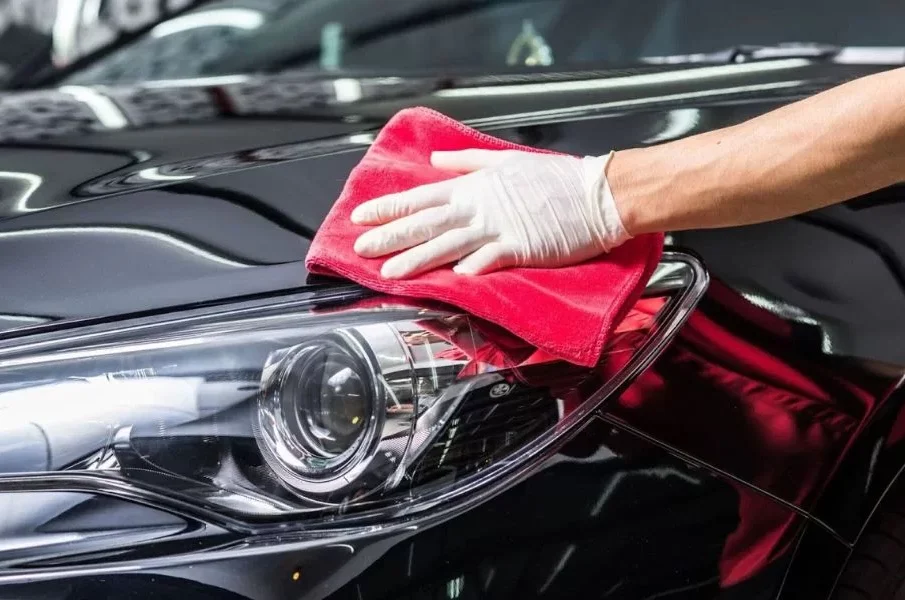
You dip your mitt in the soap, wash a panel, then rinse that dirty mitt in the plain water bucket before going back for more soap. This keeps the dirt you just pulled off the car at the bottom of the rinse bucket, rather than dragging it back across the next panel. Use a microfiber mitt, too. Throw the old sponges in the bin; they’re far too abrasive and hold onto grit like a magnet.
Dealing with the Victorian Sun
Melbourne’s UV index is no joke. Even on a cloudy day, the radiation levels are often high enough to cause serious damage. Over time, UV rays break down the polymers in your car’s paint, leading to oxidation. This is that cloudy, chalky look you see on older cars where the red has turned a weird shade of pink.
Protection is key here. A good quality wax or sealant acts as a sacrificial layer. It takes the hit so your paint doesn’t have to. For those who want something more permanent, ceramic coatings are the way to go. They create a hydrophobic surface that literally repels water and dirt. But regardless of the protection you choose, you have to be consistent.
The Cancer Council’s SunSmart program points out that UV levels in Victoria can be surprisingly high even when it’s cool, and your car’s surfaces feel that heat just as much as your skin does. If you aren’t protecting the surface, the sun is slowly “cooking” the contaminants into your clear coat.
The Hidden Danger of Tree Sap and Bird Droppings
Glen Waverley is known for its greenery, but those trees are the natural enemy of a clean car. Bird droppings and tree sap are highly acidic. If they sit on your paint in the hot sun, they can actually “etch” into the surface in a matter of hours.
If you see a bird dropping, don’t wait for the next wash. Get some quick detailer spray and a soft cloth, and get it off immediately. Once it has etched into the clear coat, no amount of washing will fix it; you’ll be looking at a professional paint correction to sand back the damage.
And then there’s the iron fallout. These are tiny metal particles from brake pads and railway lines that embed themselves into your paint. If you run your hand over your “clean” car and it feels like sandpaper, that’s what you’re feeling. A clay bar treatment is the only way to safely pull those particles out without scratching the surface.
Don’t Ignore the Interior
While we’re talking about the shine, we can’t forget the inside. A car that looks mint on the outside but smells like stale coffee and old gym gear on the inside is a tragedy. In our local climate, the heat buildup inside a parked car can reach staggering temperatures. This dries out leather and makes plastics brittle.
Using a UV-protectant interior dressing (not the greasy, shiny stuff from the 90s) will keep your dash from cracking. Regular vacuuming is also essential because grit in the carpets acts like sandpaper on the fibres every time you get in and out.
When to Call in the Professionals
There is a limit to what you can achieve in your driveway with a garden hose and a bucket. Every few months, your car needs a deep clean that goes beyond the surface. Getting a professional Glen Waverley car detailing from Ryan’s Mobile Car Detailing can provide that deep cleanse your paintwork likely needs after a harsh summer.
Professional detailers have access to tools that the average enthusiast usually doesn’t—things like pressure washers with specific PSI settings, snow foam cannons for touchless pre-washes, and high-end decontaminants. More importantly, they have the lighting to see the defects you might miss in the bright afternoon sun.
Setting a Schedule
Maintenance is about habit. If you wait until the car is filthy to wash it, you’ve already let the damage start. Ideally, a maintenance wash should happen every two weeks. A full decontamination and protection top-up should happen every three to six months, depending on whether the car is garaged or lives on the street.
For those with busy schedules, mobile services are a godsend. There’s something incredibly satisfying about going into your office or house and coming out a few hours later to a car that looks better than it did the day you bought it. It saves you half a day of labour and ensures the job is done with chemicals that are actually safe for your specific paint type.
Quick Tips for a Better Finish
- Wash from the top down: Always start with the roof and work your way down to the sills. The bottom of the car is the dirtiest, and you don’t want to move that grime upwards.
- Dry it properly: Water spots are essentially mineral deposits. Use a dedicated large microfiber drying towel rather than a chamois, which can trap grit and scratch the paint.
- Clean the wheels first: Use a separate bucket and mitt for your wheels. You don’t want brake dust anywhere near your paintwork.
- Avoid washing in direct sunlight: The soap and water will dry too fast, leaving streaks and spots. Early morning or late afternoon is your best bet.
Maintaining a car in the south-eastern suburbs isn’t a “set and forget” task. It requires a bit of effort and the right approach. But when you see your car gleaming under the streetlights of Kingsway after a fresh detail, you’ll know it’s worth it.
Proper maintenance keeps the resale value high and makes your daily commute just a little bit more enjoyable. And if you’re interested in the technical side of how modern paint systems work, checking out automotive engineering forums can give you a real appreciation for that thin layer of colour standing between your car’s metal and the elements.
At the end of the day, your car is likely the second most expensive thing you own. Treat it with a bit of respect, stay away from those brush washes, and keep up with the protection. Your paint—and your wallet—will thank you in a few years’ time.